


Everything You Need to Know for Whale Watching in Los Cabos
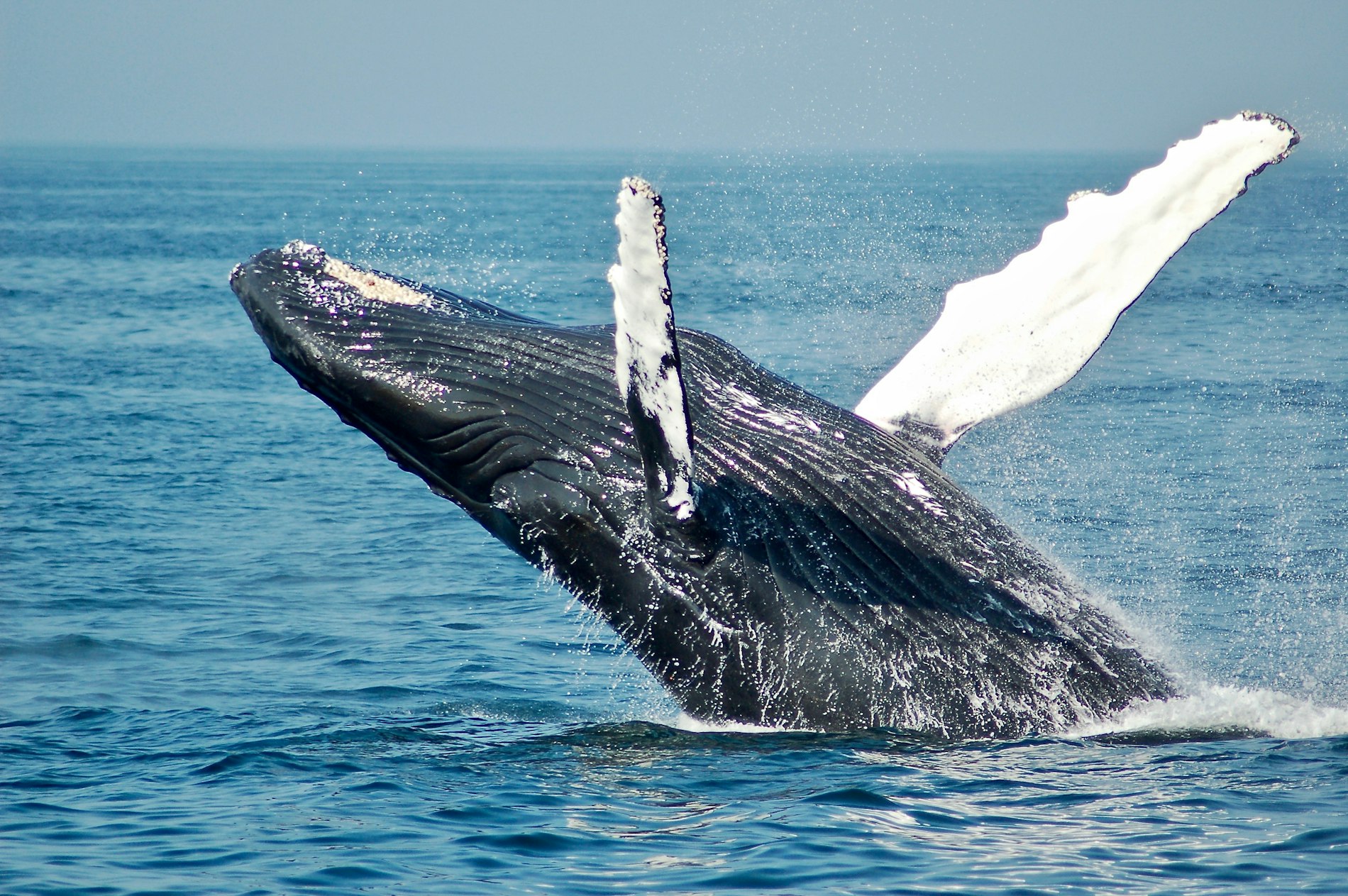
Imagine the thrill of seeing a 30-ton giant breaching just yards away from your boat. If you’re planning a whale watching trip to Los Cabos between December and April, you are in for one of nature’s most spectacular displays.
When is the Best Time to Go?
While the official whale watching season typically runs from December 15th to April 15th, whales don't always look at the calendar. You might spot some water spouts slightly before or after those dates. However, if you want the highest probability of sightings, aim for January and February.
A quick travel tip: visiting in February or early April can be a smart move. You’ll beat the holiday crowds and often find lower costs while the whales are still very much active.
Which Whales Will You See?
Los Cabos is a sanctuary. Whales travel all the way from Alaska and British Columbia to the warm waters of the Sea of Cortes to mate and give birth in the pacific ocean.
- Humpback Whales: The crowd favorites, known for their incredible jumps and surface activity.
- Gray Whales: Majestic giants that are often quite curious.
- Rare Sightings: If you’re lucky, you might even spot Blue Whales, Orcas, or Fin Whales.
Choosing Your Tour: Timing Matters
The whale watching experience changes depending on when you head out:
- Morning Tours: These are perfect for families with small children or those prone to motion sickness. The sea is usually calmer with less wind.
- Midday Tours: The water might be a bit choppier, but whale activity, especially among calves , often increases as the water warms up.
Whether you prefer a standard group tour, a private excursion for your family, or a luxury cruise with gourmet meals, there is a whale watch tour option for every style.
Fun Facts to Share
- Unique Tails: A whale’s tail is like a human fingerprint. No two are the same, which allows researchers to catalog and track them.
- World-Class Singers: Male humpbacks are famous for their songs, which can last over 20 minutes and be heard more than 20 miles away.
- Big Tongue, Small Throat: While their tongues can be as large as a small car, their throats are only about the size of a grapefruit. This is why they only eat tiny prey like krill and plankton.
Packing Essentials
To stay comfortable on the water, don't forget:
- Layers: It can be chilly on the moving boat, so bring a light sweater and a waterproof jacket.
- Sun Protection: Use eco-friendly sunscreen, a hat, and polarized sunglasses.
- Gear: Binoculars and a camera (or smartphone) are must-haves.
- Motion Sickness Meds: If you’re worried about sea legs, take your remedy before boarding.
Respect the Giants
Responsible whale watching is key. Boats must maintain a safe distance and keep engines neutral to avoid disturbing the animals. Never try to touch or feed them, and always follow your guide’s instructions to keep both you and the whales safe.
Where to Stay? For a seamless experience, consider staying at Royal Solaris Los Cabos or GR Solaris Lighthouse. Most whale watching companies offer convenient transportation directly from these resorts to Cabo San Lucas Marina.